
Uncategorized

Scroll to Top

The subscription economy is no longer a trend; it’s a way of life. From personalized nutrition kits to beauty boxes and pet food refills, Direct-to-Consumer (D2C) brands offering subscription models are reshaping customer expectations across categories.

But with rising customer acquisition costs, changing privacy regulations, and a crowded D2C space, the big question for 2025 is: “How do you make your subscription-based brand stand out and sustain?”   

At The Virtual Salt (TVS), we’ve worked with emerging and established D2C brands to craft digital-first growth strategies that don’t just convert, but also retain. Here’s what’s working in 2025.

  1.  Personalization Is Non-Negotiable

In 2025, hyper-personalization is no longer a “nice-to-have”; it’s a growth lever. Subscription-based D2C brands are leaning into AI-powered product recommendations, dynamic content, and flexible subscription flows.

Whether it’s customizing delivery frequency, allowing product swaps, or sending curated bundles based on past behavior, your marketing needs to make every subscriber feel like it’s made just for them.

How TVS helps:
Our Performance Marketing and Email Marketing Automation teams build tailored lifecycle journeys that respond to behavior in real time, from cart abandonments to churn signals.

  1.  Subscription Ux = Retention Strategy

Many brands obsess over acquiring subscribers but neglect the post-purchase experience. In 2025, the best brands are treating onboarding and post-signup engagement like a product in itself.

Smooth order management, transparent pricing, self-service options, and delightful surprise elements (like loyalty gifts or sneak peeks) create emotional stickiness.

TVS Strategy Add-on:
Our Conversion Rate Optimization service includes UX audits and subscription funnel redesign to plug revenue leaks.

  1.  Predictive Analytics Are A Game-Changer

It’s not just about analyzing the past anymore. Top D2C brands are using data to predict which customers are likely to churn, who’s ready for an upsell, or when to send a retention nudge.

By mapping these behavioral cues to marketing automation and predictive personalization, you reduce guesswork and increase lifetime value.

TVS Insight Boost:
We offer Analytics and Dashboarding services that sync customer data across platforms, helping you forecast revenue and optimize acquisition cost-per-subscriber.

  1.  Community-Driven Content Builds Stickier Brands

Subscription fatigue is real. In 2025, what keeps customers subscribed isn’t just the product, it’s the brand world around it.

Brands that build communities, via niche Facebook groups, WhatsApp broadcast content, or exclusive early access programs, win more than repeat orders. They win brand advocates.

Influencer UGC, customer spotlight stories, and behind-the-scenes content have become staples of brand content calendars.

TVS Creative Studio:
We create brand narratives, design content calendars, and produce high-converting video, static, and UGC-inspired campaigns that bring your community to life.

  1.  Performance Marketing Is Getting Smarter—Not Just Louder

Forget broad-stroke ads. In 2025, D2C performance marketing is about precision targeting, real-time experimentation, and platform-native creativity.

With rising CAC across Meta and Google, brands are turning to:

Your ad creative needs to educate and convert. Your targeting needs to be contextual, not just demographic.

TVS Performance Engine:
Our media buying and creative testing experts ensure you’re not just spending, but scaling profitably.

  1.  Seo For Subscription? Yes, It Works.

While SEO is traditionally seen as top-funnel, in the subscription space, it helps capture:

In 2025, AI-assisted search behavior means rich, value-packed content wins. Think interactive quizzes, video-enhanced blogs, and FAQ-style landing pages.

TVS Organic Stack:
Our SEO + Content Marketing service is built to help subscription brands rank, inform, and convert—all in one go.

  1.  Build In Flexibility, Not Just Discounts

One of the most common reasons people cancel subscriptions? Lack of flexibility.
Modern consumers don’t want to feel locked in. They want the ability to:

Rather than only pushing discounts, market your flexibility as a feature. Let users know they’re in control.

TVS CX Support:
We work with your tech and CX teams to design flows and communication that reduce friction and increase satisfaction.

  1.  Brand Is Now A Performance Channel

More than ever, brand equity drives ROAS. Consumers want to know who they’re buying from, what you stand for, and why they should stick around.

In a sea of sameness, tone of voice, storytelling, founder visibility, and mission clarity can directly influence subscription opt-ins and retention.

TVS Brand Lab:
We help shape your brand story across digital, from positioning and tone of voice to DTC-first campaign planning.

Conclusion

In 2025, growth for subscription-based D2C brands isn’t about viral tricks; it’s about strategic, measurable, and customer-centric marketing. The brands that win are the ones that treat subscribers like people, not just recurring revenue.At The Virtual Salt, we specialize in helping D2C brands build marketing systems that don’t just scale, but sustain. From first-click acquisition to long-term retention, we cover every stage of the customer lifecycle.

Cart abandonment remains one of the biggest challenges in e-commerce. According to Baymard’s industry data, nearly 70% of online carts are abandoned. That’s trillions in potential revenue left unrealized. In 2025, the challenge isn’t just reminding shoppers to complete their purchase; it’s about understanding intent, context, and behavior to recover and convert smarter.

This blog explores how modern cart abandonment campaigns are evolving and what strategies are delivering results in 2025. We have also highlighted how The Virtual Salt (TVS) can help your brand move beyond basic reminders with customised performance-led solutions.

Why Cart Abandonment Needs A Rethink

Traditional cart abandonment emails rely on urgency (“Your cart is waiting”) and discounts (‘Get 10% off if you purchase now!”). But in an age where consumers expect personalized, seamless experiences, that’s no longer enough.

Today’s buyer journey is fragmented; users browse on mobile, switch to desktop, compare prices across marketplaces, and get distracted by social media. Recovering abandoned carts now requires a multi-channel, intent-aware strategy that aligns with his complexity.

2025’s Multi-Touch Abandonment Strategy

Here’s what modern cart abandonment campaigns look like in 2025:

With rising privacy norms and the decline of third-party cookies, brands are doubling down on first-party data. This includes:

Using this data, brands can segment cart abandoners into casual browsers, price-sensitive buyers, and high-intent shoppers and tailor recovery strategies accordingly.

TVS offers advanced analytics and user segmentation tools that help brands create data-rich audience cohorts for high-performance targeting.

In 2025, cart abandonment emails aren’t just personalised by name, they dynamically showcase: 

And it’s not limited to email. WhatsApp, SMS, push notifications, and even Instagram DMs can carry dynamic content.

With omnichannel campaign orchestration, TVS ensures your reminders show up exactly where your audience is, in the format that drives action.

AI-powered chatbots and live agents are being used for “soft” follow-ups. For example:

This approach feels less salesy and more like helpful assistance, increasing the chances of conversion.

Time-based emails are old news. In 2025, triggers are based on contextual signals:

Our conversion funnel automation system plugs into your e-commerce stack to automate and optimise these smart triggers across touchpoints.

Shoppers trust other shoppers. Integrating user-generated content (UGC) like photos, ratings, and reviews in reminder communications adds social validation that helps close the sale.

Abandoned cart messages now often include:

TVS helps brands curate and integrate UGC into CRM, paid ads, and remarketing flows for increased trust and engagement.

Cart Abandonment Recovery Channels In 2025

Let’s break down the high-performing platforms for cart recovery today:

These channels now enjoy 80–90% open rates and can be used for:

Web push and in-app push are great for mobile-first shoppers. Use for:

Cart abandoners can be retargeted on:

TVS helps optimise ad spends across platforms by syncing them with real cart data, not just pixel triggers.

Micro-Experiments & A/B Testing

One key differentiator in 2025 is the use of continuous testing.

Brands are testing:

TVS sets up A/B and multivariate testing pipelines to optimize recovery messaging in real time.

The Metrics That Matter (Now)

It’s no longer just about email open rates of CTRs. Here are the metrics that truly matter in 2025:

TVS provides Pulse dashboards to track every touchpoint and optimise the full funnel.

Conclusion: Cart Abandonment Is Lifecycle Marketing

In 2025, recovering a cart isn’t a standalone activity; it’s part of a larger lifecycle marketing strategy. From lead gen to post-purchase, your abandoned cart campaigns should reflect your brand voice, customer understanding, and tech integration.

With tools like AI, hyper-personalisation, and channel orchestration, it’s time to think beyond “reminders” and start creating micro-journeys that guide, not chase.

How The Virtual Salt Can Help

At The Virtual Salt, we don’t believe in one-size-fits-all cart recovery solutions. We help D2C and e-commerce brands design 360° performance campaigns that:

Explore our full list of digital services here: https://thevirtualsalt.com/digital-marketing-services/ 

Influencer marketing has evolved from being a trend to a vital pillar of brand strategy. However, while many brands still rely on short-term campaigns and transactional collaborations, there is a growing realization that deeper, long-term influencer partnerships offer far more sustainable and scalable results.

Long-term partnerships built consistency, enhance credibility, and create stronger emotional resonance with audiences. At The Virtual Salt, our influencer marketing services are designed to help brands unlock the full potential of these enduring relationships, driving not just short-term wins but long-term brand affinity and growth.

Why Long-Term Influencer Partnerships Work

  1. Authenticity Grows Over Time

Consumers today are skeptical of one-off endorsements. They can spot paid partnerships that lack genuine enthusiasm or long-term relevance. When an influencer genuinely aligns with a brand and talks about it regularly, audiences recognize the authenticity. This builds trust, the most valuable currency in marketing.

  1. Greater Brand Integration

A long-term influencer marketing strategy allows creators to deeply understand your brand’s voice, values, and vision. Instead of brief brand mentions, influencers can create storytelling arcs that evolve with your brand, resulting in content that feels organic and seamless.

  1. Efficient Use Of Resources

With long-term influencer partnerships, brands spend less time and money on repeated negotiations, onboarding, and briefings. The creator becomes familiar with the brand, reducing the need for micromanagement and enabling more strategic focus on outcomes.

  1. Improved Campaign Performance

The more creators work with a brand, the better they get at delivering results. From fine-tuning messaging to adapting formats based on what clicks with their audience, a long-term approach invites learning and iteration.

In one such collaboration that spanned six months, a premium sports nutrition brand we worked with saw its influencers-led campaign reach over 26.1 million people. The results weren’t just about scale; they also saw higher conversion rates and stronger product interest, driven by consistent, trusted messaging.

  1. Consistent Brand Messaging

Familiarity breeds trust. Seeing the same influencer consistently vouch for a brand creates memory recall and message reinforcement. It positions the brand as a part of the influencer’s lifestyle rather than a one-time feature.

Key Elements Of Successful Influencer Marketing Strategy

  1. Choosing The Right Influencer Partner

Not all influencers are a fit for your brand. Beyond follower count or engagement rate, look for creators whose values, aesthetic, and audience align with your brand’s identity. Micro-influencers, in particular, can deliver high-impact results due to their niche communities and stronger engagement.

  1. Building Trust And Mutual Value

Influencer partnerships should be treated like any professional relationship. Be transparent, provide creative freedom, and respect their input. Consider offering exclusivity, long-term contracts, or co-branded opportunities to keep them invested.

  1. Creating Collaborative Content

Instead of dictating every frame, involve influencers in the creative process. Their insights on what resonates with their audience can elevate content quality and engagement. Whether it’s unboxing videos, tutorials, testimonials, or behind-the-scenes stories, collaboration leads to more relatable and high-performing content.

  1. Setting Measurable Goals

Define what success looks like from the start. Is it engagement? Traffic? Sales? New signups? Ensure both parties understand and agree on key performance indicators (KPIs), and use tools to track them transparently over the course of the partnership.

  1.  Evolving Together

Long-term influencer partnerships should grow as your brand does. Explore new formats like podcast features, live streams, co-created product lines, or influencer-led events. Keep the momentum going with evolving briefs and creative reinvention.

How Our Influencer Marketing Services Support Long-Term Partnerships

At The Virtual Salt, we understand that the future of influencer marketing lies in meaningful, long-term collaborations. Our influencer marketing services are tailored to help brands not only discover the right latent but also build and maintain enduring relationships that deliver continuous value.

  1. Influencer Discovery & Vetting

We use data-driven tools to identify influencers that align with your brand’s goals, ensuring long-term compatibility based on audience fit, content style, and brand values.

  1. Relationship Management

Our team handles the entire lifecycle, from contract negotiation and creative briefing to ongoing communication and performance management. We act as the bridge that keeps relationships smooth and effective.

  1. Strategy And Campaign Planning

Whether you’re launching a new product or planning a year-long visibility strategy, we help create structured influencer marketing plans with room to adapt and scale.

  1. Content Collaboration And Production

We work with creators to ensure all content meets your brand standards while allowing them creative expression, keeping the content fresh, authentic, and impactful.

  1. Analytical & Reporting

Track and measure success at every step. From reach and impressions to conversions and ROI, we offer detailed performance reports and optimization suggestions for maximum value.

Conclusion

Short-term influencer deals may offer quick returns, but they often lack the substance and sustainability today’s consumers expect. Long-term influencer partnerships, on the other hand, build credibility, deepen consumer trust, and pave the way for exponential growth.If you’re ready to evolve your influencer marketing strategy into something more meaningful, strategic, and scalable, explore our influencer marketing services and discover how The Virtual Salt can help you turn creator relationships into long-term brand assets.

When trust is the ultimate currency, influencer marketing is a powerful force even within the traditionally conservative space of B2B. In 2025, leveraging influencers in B2B marketing isn’t just a novelty, it’s becoming essential. Let’s explore the role of influencers in B2B marketing, what’s shifting in the space, and how our influencer marketing services can help your B2B brand excel.
  1. The Rise of B2B Influencer Marketing in 2025

Recent data paints a compelling picture: by early 2025, 75% of B2B companies were already using influencers, and 93% planned to increase their investment in the coming year. Globally, the influencer advertising market, which spans B2B and B2C, was valued at $21 billion in 2023, projected to surge to $52 billion in 2028.

This growth reflects a broader shift in how businesses buy: B2B purchases increasingly depend on peer validation and thought leadership rather than cold outreach. Influencers bridge that gap, delivering credibility, context, and content that resonates.

  1. What Makes B2B Influencer Marketing Unique?

Unlike B2C, where product placement is visually straightforward, B2B often involves services, platforms, or complex offerings that are harder to display but equally important. Because of this, the strategy shifts accordingly: 

  1. Top Advantages of B2B Influencer Marketing
  1. Emerging Trends to Watch in 2025

Micro and nano-influencers dominate engagement: With followers ranging from under 10k (nano) to around 100k (micro), these influencers deliver highly engaged, trustworthy connections. Brands are increasingly leaning on them, for authenticity and localized influence.

Rise of AI-generated and virtual influencers: CGI avatars and synthetic personas are gaining traction, especially in industries like tech or gaming, offering scalable, brand-safe alternatives. Transparency remains critical in these campaigns. 

Creator economy integration with brand culture: Companies are encouraging internal leaders to become company influencers, bridging the gap between B2B content, thought leadership, and brand trust. 

  1. Strategic Playbook: How to Win with Influencers in B2B

Define clear goals: Awareness? Lead generation? Thought leadership? Start with your objective and match influencers accordingly.

Choose your influencer tier wisely: Micro and niche thought leaders create authenticity and trust. Consider SMEs, ambassadors, or internal content creators depending on your strategy. 

Co-create content that educates and engages: Webinars, podcasts, guest blogs, or video series humanize your offering and give influencers a stake in success.

Measure wisely beyond vanity metrics: Track engagement, pipeline acceleration, content amplification, and long-term attribution, not just impressions.

Build relationships that last: Trust takes time. Retain influencers as brand advocates, not just as campaign tools.

Ensure transparency and authenticity: Especially with emerging virtual or AI-based creators, honest disclosure sustains credibility.

Conclusion: Influencers as B2B Force Multipliers

B2B influencer marketing in 2025 is no longer optional, it’s a powerhouse strategy. Not only does it extend reach; it unlocks trust, enables authentic content, and sets the stage for lasting growth.

The Virtual Salt stands ready to guide your journey – from crafting brand-aligned influencer strategies to executing campaigns with precision. Ready to explore? Let’s partner to turn influence into impact. 

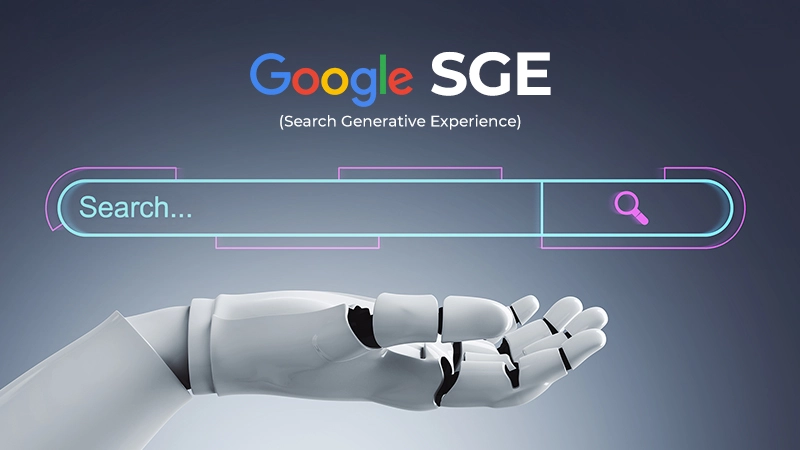
Google SGE (Search Generative Experience): What It Means for SEO

Google SGE (Search Generative Experience): What It Means for SEO

For the longest time, users have yearned for quick, accurate answers to their Google searches—without having to scroll through endless blogs and links. That wish has finally turned into reality. 

As Google officially rolled out its AI Overviews (previously Search Generative Experience or SGE) in May 2024, search is being revolutionized. AI-generated, in-depth responses now appear directly at the top of the results page and offer information more quickly and seamlessly than ever.

But this is not just a neat new feature, it’s a game-changer. By incorporating generative AI in SEO, Google is rewriting the SEO playbook. For marketers, business owners, and content creators, this change is too big to ignore, and comprehending its effect on visibility, clicks, and conversions has become imperative.

As AI begins to shape what users see, click, and trust, the question becomes clear: What does this mean for SEO, and how can brands ensure they remain competitive and visible within this AI-first environment?

What exactly is Google Search Generative Experience (SGE)?

First let’s understand what SGE actually stands for before we jump to its effects and implications on the SEO landscape as a whole. 

Google’s Search Generative Experience (SGE) is a revolutionary step towards reimagining how users interact with search engines. Rather than displaying the usual list of blue links, SGE places an AI-generated summary front and center, directly responding to the user’s query with concise, relevant insights. These summaries are often enriched with contextual links, product recommendations, images, and even follow-up prompts to guide further exploration.

For instance, if someone types “best skincare routine for oily skin,” instead of browsing through multiple blog posts on skincare routine or tips for oily skin, SGE could immediately present a tailored overview of an ideal routine, detailing down step by step suggestions like cleansing, exfoliating, and moisturizing along with suggested products and related queries like “best ingredients for oily skin” or “day vs. night routine.”

This shift is powered by advanced Large Language Models (LLMs), allowing Google to better understand search intent. By analyzing context, behavior patterns, and semantic meaning, SGE delivers results that are not only faster but also more aligned with how people naturally search for information, that is, conversationally and contextually.

How SGE Is Reshaping Traditional SEO

With search generative experience taking center stage in Google’s search results, the SEO dynamics are shifting rapidly. Traditional strategies that focused on ranking among the top 10 blue links are no longer sufficient with the integration of AI in SEO. In fact, AI-generated content accounts for an all-time high of 19.10% of all content appearing in Google Search results.

Here’s how SEO is evolving in the age of generative AI:

1. Content Must Be More Than Optimized—It Has to Be Useful

SGE favors content that genuinely helps the audience, is well-structured, and provides accurate information. Thin, keyword-stuffed articles that hardly add any value won’t cut. Instead, Google’s AI looks for high-quality content that provides real value and answers questions comprehensively.

2. Topical Authority Matters More Than Ever

Google is increasingly rewarding brands and creators who demonstrate consistent expertise on specific subjects. The SGE algorithm favours content that reflects a deep understanding of the subject rather than chasing trending keywords across categories. The smart way to rank now is to build deep, focused content around a niche area to improve the chances of being included in SGE.

3. Structured Data and Semantic SEO Are Critical

SGE doesn’t rely solely on keywords, it interprets context and meaning. When the data provided is properly structured, it helps Google understand it better and surface it. Implementing schema markups, like How-Tos, FAQs, etc. gives your pages a better chance of being understood and featured in AI-generated responses.

In addition to technical SEO, semantic SEO plays a huge role. This means using natural language, answering user questions clearly, and incorporating related concepts and terms. It’s about mirroring how people talk and search rather than forcing exact-match keywords.

4. E-E-A-T Signals (Experience, Expertise, Authoritativeness, Trustworthiness)

Google has always promoted real-world expertise and trust, so it is not a surprise that search generative experience leans heavily on E-E-A-T when choosing which sources to highlight in the snapshot. SGE doesn’t just evaluate the content, it also evaluates the source. 

Citing reputable sources, using expert authors, and building backlinks from authoritative domains all contribute to stronger visibility. For example, a nutrition blog written by a certified dietitian with sources from peer-reviewed journals will be favored over generic, unsourced content, even if both rank for similar keywords.

5. Zero-Click Searches Are on the Rise


With more users getting their answers directly from search generative experience, fewer people are clicking on website and blog page links.This trend, known as zero-click searches, is likely to grow as SGE evolves. While this might sound like bad news for traffic, it opens up new opportunities for brand visibility and top-of-funnel awareness.

As per Brikson’s report of 2024, approximately 65% of all Google searches end without a click, indicating a significant shift towards users obtaining information directly from search results without visiting external websites.

Opportunities Hidden Within SGE

It’s not all bad news. While search generative experience may reduce traditional click-throughs, it also presents new opportunities for brands that focus on value, authenticity, and expertise. Instead of fighting for top spots in the old list-of-links model, brands now have the chance to show up within the answers themselves, right where the user is looking.

Here’s how different types of content and businesses can benefit:

1. Local SEO Gets a Boost

SGE has started surfacing location-based responses, which means local businesses can get featured directly in AI summaries, provided their information is accurate and complete. Businesses that maintain up-to-date Google Business Profiles, earn positive reviews, and use location-rich content can benefit from increased visibility even without a national SEO strategy. For example when a user searches “best Thai food near me”, the search  generative experience may highlight a local restaurant with great reviews, an optimized Google listing, and relevant content even if that business doesn’t rank high traditionally.

2. Niche Brands Finally Have a Spotlight

SGE rewards depth over breadth. So, niche and specialized brands—those that have deep knowledge and content around one focused topic—stand to gain an edge. Instead of being overshadowed by large generalist sites, niche players who demonstrate topical authority can get highlighted in search generative experience . A small brand that specializes in Ayurvedic skincare, with well-written content on doshas, herbal ingredients, and usage guides, may get picked up by SGE over a larger beauty brand with generic content.

3. Educational & Thought Leadership Content Wins

SGE loves genuine, helpful, and educational content. Brands that make it a priority to explain, guide, and simplify topics are more likely to be chosen by Google’s AI to help answer user questions. This presents a major opportunity for content marketers, consultants, SaaS providers, and DTC brands that offer insights, tutorials, or thought leadership. Creating content that not only answers the “what” but also the “why” and “how’ with more complete and beginner-friendly explanations increases the likelihood of your brand being featured in the snippet.

Adapting to the AI-First Future of Search

In this latest era of AI-driven search, the rules of SEO are no longer about just being visible, they’re about being selected by the algorithm itself. As Google’s search generative experience reshapes how people discover, engage, and trust content, brands must adapt to it. The demand for quick, conversational, and value-rich answers has become central, not optional.

That’s where The Virtual Salt comes into the picture. As a performance-driven content and SEO agency, it helps brands not only stay visible but drive the conversation in this AI-first search ecosystem. From building deep topical authority and E-E-A-T credibility to developing well-structured, semantic, and high-impact content tailored for AI in SEO, The Virtual Salt is your strategic partner in navigating the SGE landscape.

The brands need to relearn how to develop, organize, and deliver content on the web. The shift is authentic, the consequences are great, and the early adapting brands will be at the forefront of visibility, trust, and conversions.

What No One Tells You About Scaling Paid Campaigns

What No One Tells You About Scaling Paid Campaigns Launching paid campaigns is relatively easy today. Platforms like Meta, Google,

What High-Growth Brands Do Differently on Social Media

Almost every business today is present on social media. Yet only a small percentage of brands actually grow consistently, build

Top SEO Tools Every Marketer Should Be Using

SEO today is equal parts craft and toolkit. If you’re building visibility that lasts, you don’t need every app, just

Is Influencer Marketing Still Worth It? Here’s What You Need to Know

If you’ve ever wondered whether influencer marketing still has a place in your digital strategy, you’re not alone. Over the

Is Your SEO Strategy Outdated? Here’s What You Need to Fix Today

If the term SEO still makes you think only in terms of keywords and backlinks, you’re operating with a strategy

Why Your Website Isn’t Ranking,  And the Fix Is Easier Than You Think

You’ve published content. You followed on-page rules. You hit all the checkboxes, and yet your site is invisible. If that’s

You’re Wasting Half Your Ad Budget — Here’s How To Fix It Fast

If you feel like your digital advertising budget just disappears, clicks go up, but conversions don’t, you’re not alone. Many

Elevating Your Influencer Marketing Game in 2025: A Beginner-to-Pro Roadmap

Imagine you’re launching a new product in your e-commerce store. You’ve got strong branding, great imagery, and a well-designed website.

Performance Marketing 2.0: The Future Roadmap for D2C Brands

In the rapidly evolving world of e-commerce, performance Marketing remains the lifeblood of Direct To Consumer (D2C) brands. It’s the

Influencer Whitelisting: How Brands are Scaling Ads with Creator Content

As influencer marketing grows more sophisticated, brand-creator partnerships are evolving beyond the usual sponsored posts. One strategy that’s gaining serious